



Telangana:
Under the leadership of Chief Minister A. Revanth Reddy, with proactive stewardship by Health Minister Damodar Rajanarsimha, Telangana’s public healthcare system is undergoing a quiet yet significant transformation. What makes this shift noteworthy is not loud policy announcements or aggressive publicity, but a steady rebuilding of trust especially among those who once viewed government hospitals with doubt, neglect, and even fear.
For decades, public perception associated government hospitals with overcrowding, outdated infrastructure, and compromised quality of care. In contrast, corporate hospitals came to symbolize efficiency, advanced technology, and assured treatment albeit at exorbitant costs. This imbalance shaped a widely held belief that quality healthcare was the privilege of those who could afford it. Today, that narrative is gradually changing.
Across Telangana, government hospitals are setting new benchmarks in medical competence and service delivery. Improved infrastructure, modern diagnostic and surgical equipment, and the presence of highly skilled doctors are redefining the patient experience in the public sector. More importantly, these improvements are no longer just official claims they are being validated by the choices of the state’s own top administrators.
A striking indicator of this renewed confidence is the growing number of senior IAS officers opting for government hospitals for their own medical needs and those of their families. These are individuals with the financial capacity to access the most expensive corporate healthcare facilities, yet they are consciously choosing public hospitals based on trust in medical expertise and professional ethics. Their decisions have sent a powerful message across the state: government healthcare is no longer a last resort, but a reliable choice.
A recent example that drew statewide attention was at the Gandhi Government Hospital in Secunderabad. V.P. Gautam, IAS, Secretary of the Housing Board, chose Gandhi Hospital for his wife’s delivery. When she was admitted with labour pains, a medical team led by senior gynaecologist Dr. Shobha performed a Caesarean section with precision and care. Both mother and child are reported to be healthy and recovering well under medical supervision. This single incident spoke volumes about the standards now being upheld in government institutions.
Such instances are not isolated. Over the past year, several district collectors have publicly demonstrated their faith in public healthcare. Peddapalli District Collector Koya Harsh successfully had his wife’s delivery conducted at the Godavarikhani Government General Hospital. Similarly, Bhadradri Kothagudem District Collector Jitesh V. Patil opted for a government hospital for his wife’s childbirth. In Karimnagar, District Collector Pamela Satpathy personally underwent nasal surgery in the ENT department of the government hospital, reinforcing confidence not through words, but action.
These decisions have had a cascading effect. They boost the morale and accountability of doctors and healthcare staff, while simultaneously strengthening public confidence. When senior administrators themselves rely on the same healthcare system as ordinary citizens, it bridges a long-standing trust deficit.
The trend extends beyond the bureaucracy. Judges and other senior officials are increasingly seeking treatment at premier public institutions such as NIMS, Gandhi Hospital, and Osmania General Hospital. This is no coincidence. It reflects sustained government investment in healthcare infrastructure, recruitment of specialist doctors, and systematic upgrades across major hospitals. As a result, public healthcare in Telangana is inching closer to corporate standards without the prohibitive costs.
The most profound impact of this shift is being felt among the poor and middle classes. For many, the question is no longer whether government hospitals are “good enough,” but why they should look elsewhere at all. The belief that “if top officials trust these hospitals, the quality must be sound” is taking firm root. Where fear once prevailed, confidence is emerging.
IAS officers, through their personal choices, have become de facto brand ambassadors of Telangana’s public healthcare system. Their actions carry more weight than any advertisement or official campaign. This growing trust is not just a moral victory for the healthcare system it is a cornerstone for building an equitable, people-centric model of governance.
As confidence in government hospitals continues to rise, it has the potential to fundamentally strengthen public healthcare in Telangana, ensuring that quality medical care is not a privilege, but a guaranteed right for all.
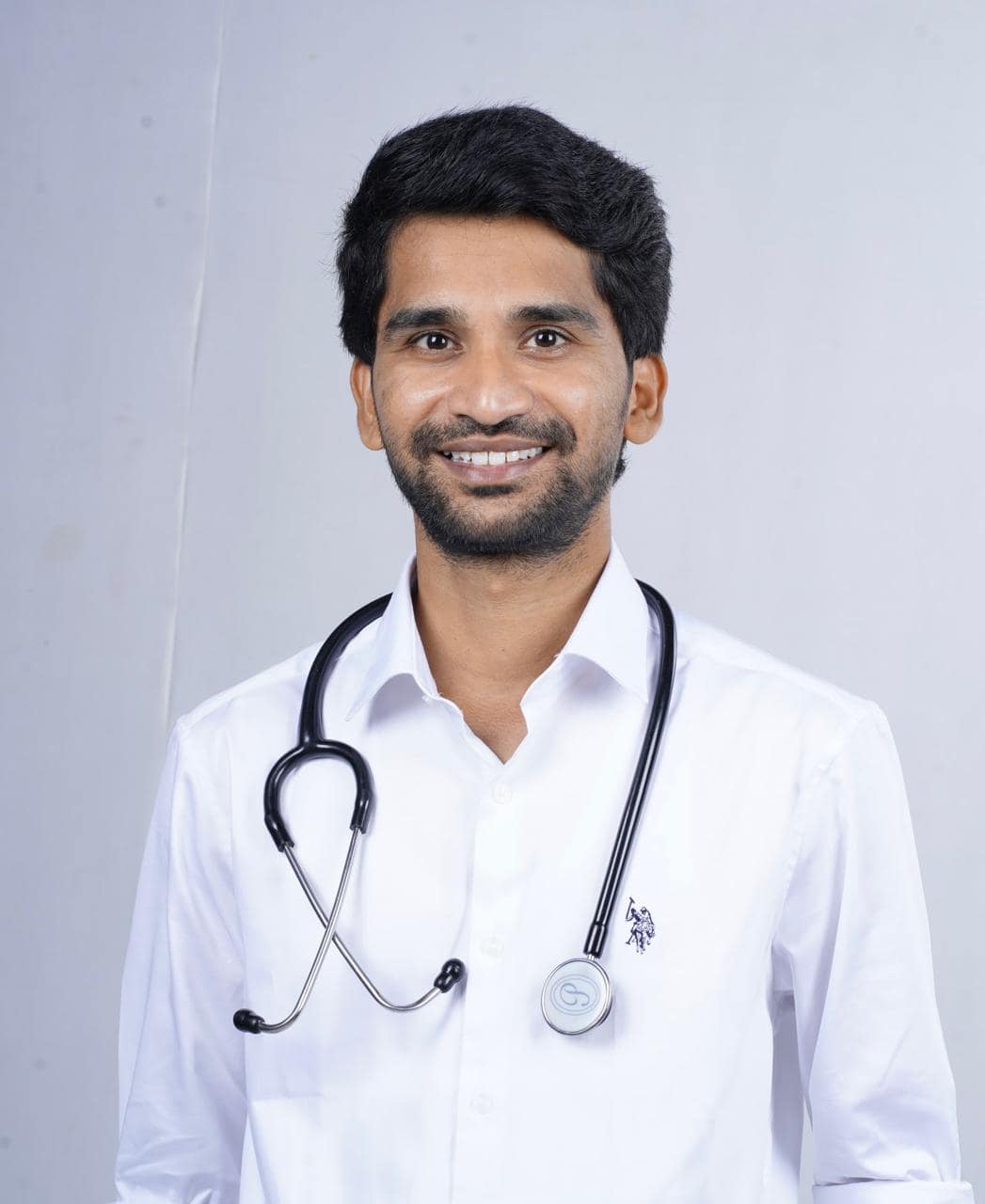
— Dr. M. Rajeev
MBBS, MD (Pulmonology)
State Chairman
(TPCC – Doctors’ Cell, Medical & Health Wing)