


Media Watch:
As Telangana Chief Minister A. Revanth Reddy steadily consolidates his political position, BRS supremo K. Chandrashekar Rao (KCR) appears to be weakening by the day, observes Andhra Jyothi Managing Director R.K. in his latest column Kotha Paluku.
Expressing deep concern over the coarsening political discourse in Telangana, R.K. strongly criticises KCR for repeatedly targeting former Andhra Pradesh Chief Minister N. Chandrababu Naidu. The columnist argues that such attacks reflect not political strength but desperation, and ultimately harm KCR more than they help him.
The essence of R.K.’s argument is unambiguous. KCR, he writes, shows no signs of shedding his political arrogance. With his party’s influence visibly declining and public memory of his leadership fading, KCR seems to believe that invoking Chandrababu Naidu is his only remaining strategy for political survival. According to R.K., KCR’s recent activism is less about rebuilding public trust and more about reassuring a demoralised cadre that he is still relevant and capable of leading a comeback.
However, these efforts, the columnist notes, are instead evoking sympathy rather than confidence. The repeated use of an “exhausted political weapon” only underscores how out of sync KCR has become with the present political realities.
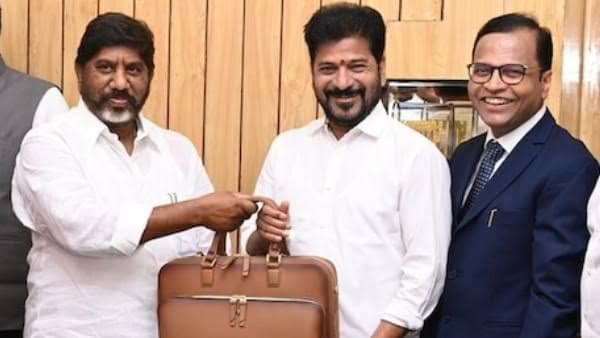
In contrast, R.K. asserts that Revanth Reddy has emerged significantly stronger in recent months both administratively and within the Congress organisation. In a party where leadership assertions are traditionally restrained, Revanth’s open declaration that he will return as Chief Minister is, R.K. argues, a powerful indicator of his growing command over the party. If any proof were needed of Revanth’s strengthened position, this, the columnist says, is it.
KCR, meanwhile, is accused of fighting today’s battles with yesterday’s strategies. His politics, R.K. concludes, has become outdated, repetitive, and increasingly ineffective. That, more than any external factor, explains his steady political decline.
The columnist further points out that Chandrababu Naidu has neither personally attacked KCR or K.T. Rama Rao nor pursued aggressive political criticism against them in recent times. Despite this, KCR’s insistence on dragging Naidu into Telangana’s political discourse even when there is no political space or necessity only diminishes his own stature.
Underlying this behaviour, R.K. suggests, is KCR’s belief that he is inherently superior to leaders like Revanth Reddy. This refusal to engage with reality, he argues, is precisely what has led KCR to his current predicament.
In his concluding remarks, R.K. issues a stark warning: unless KCR and KTR fundamentally reassess and transform their political approach, the future of their party looks increasingly uncertain.